HW3 vs HW4: Five Years of FSD and the 2026 Model 3 Doesn't Fix What's Broken
I've had Full Self-Driving since the winter of 2021. Four-plus years of watching Tesla's autonomous ambitions inch forward; and backward; from the driver's seat. Now I'm behind the wheel of a 2026 Model 3. Here's the honest verdict.
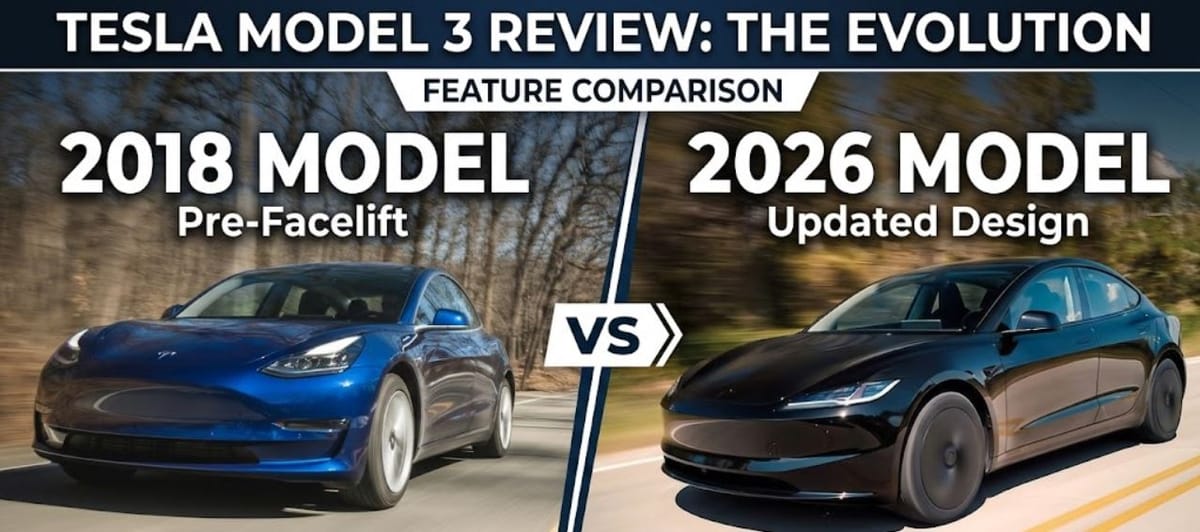
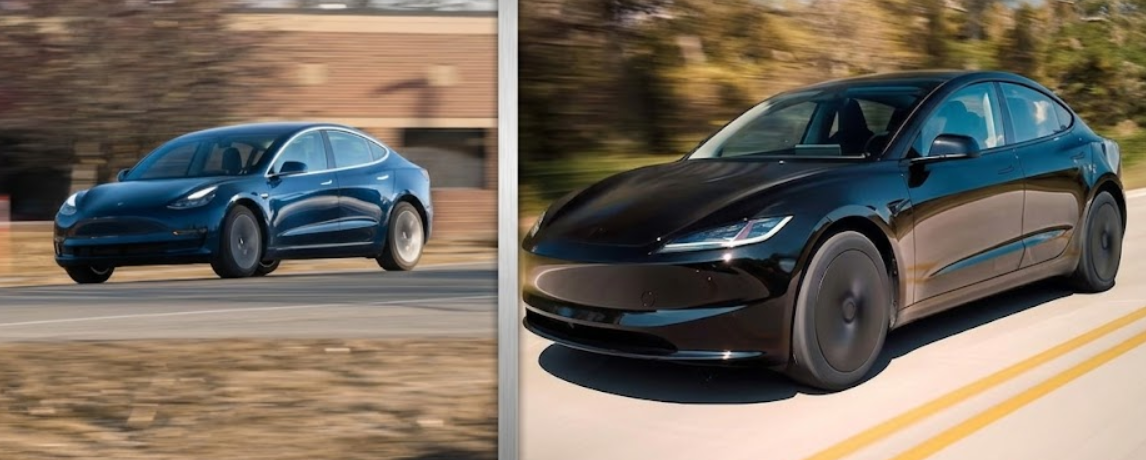
Before we get into it; my 2018 Model 3 recently crossed 180k miles and ended up in the shop with a PTC heater issue. One thing led to another, and I walked out with a loaner; an 800-mile 2026 Model 3 that I ended up driving for about six weeks while the repair got sorted. Six weeks is enough time to really get to know a car, and doing it back-to-back with the 2018 gave me a pretty direct side-by-side look at where this platform has changed and where it hasn't.
Four Years of Watching FSD Grow Up; Sort Of
I bought into Full Self-Driving early. Winter of 2021, on a 2018 Model 3. For a while it genuinely was exciting; watching each software update bring something new, seeing the car handle situations it couldn't a month earlier. There's a specific kind of enthusiasm that comes with being an early adopter of something that feels like the future.
To be precise about the starting point: that 2018 Model 3 actually shipped with Hardware 2.5; not HW3. That upgrade came later, and it came free. Tesla offered a no-cost hardware retrofit to HW3 for anyone who had purchased FSD; a physical install at a service center, part of their commitment to making the software actually run on capable hardware. So by the time I was really tracking FSD's progress, I was already on HW3, and that's the baseline this comparison draws from.
Then the novelty wore off, and the recurring story set in: not quite good enough.
Highway driving in a straight line? Probably best in class. The car eats up interstates with confidence and smooth lane tracking. No argument there. But then Tesla rolled out automatic lane changes, and that's where the cracks started showing. The system would cut across traffic abruptly, left-lane camp for no apparent reason, and make moves that felt more aggressive than necessary. The saving grace was that you could disable auto lane changes at the start of every drive and just forget about it.
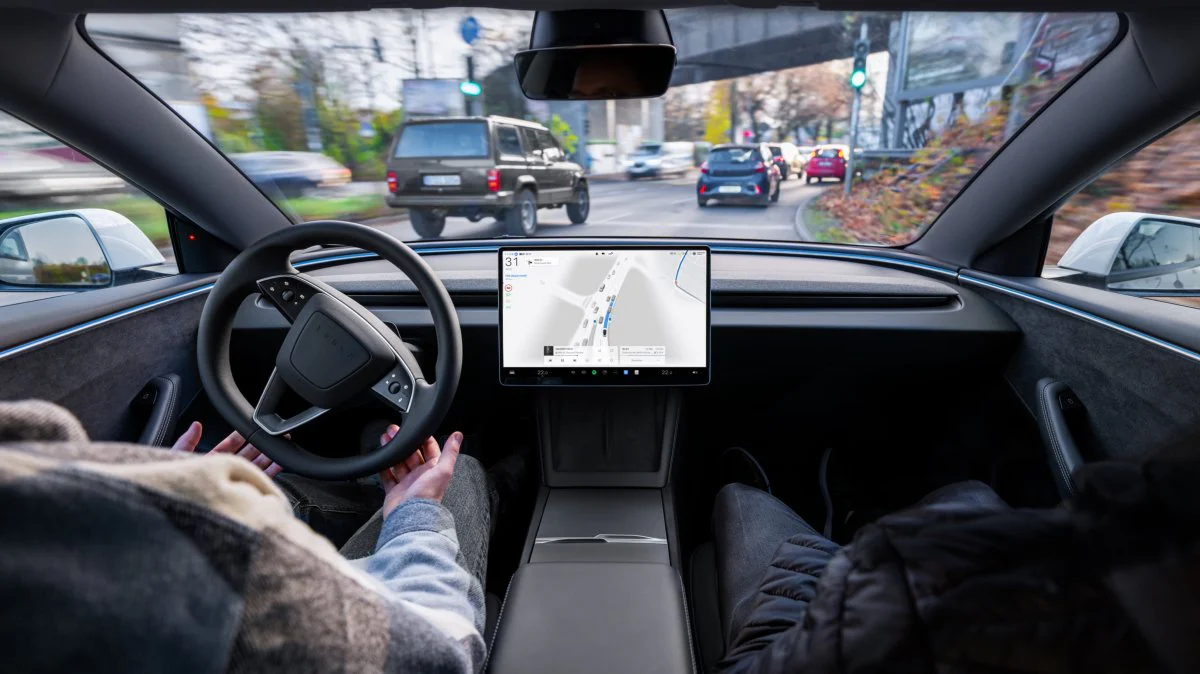
Then came the speed profile problem; something plenty of other HW3 owners noticed too. The aggression settings don't actually do what they say on the tin. Set it to Chill and the car crawls well below the speed limit, which is its own hazard. Set it to Hurry and it generally holds your speed, but now you're locked into the persistent lane changing behavior that, at some point, Tesla made impossible to opt out of entirely. You're essentially choosing between two flavors of annoying.
That was life with HW3. I made peace with it as a highway assist tool and stopped expecting much more.
Enter the 2026 Model 3; and Hardware 4
So when I got into a 2026 Model 3, the first question on my mind was simple: Did they fix it?
Honestly? Not much.
The improvement shows up most on suburban streets and rural back roads. FSD on HW4 handles those environments with noticeably more fluidity; winding through residential streets, navigating gentle curves on country roads, the system feels smoother and more confident than HW3 managed. That's real progress. But at stop signs and turns, not much has changed. The same overcautious hesitation before committing to a move is still there. If someone is sitting behind me at an intersection, I'm still grabbing the wheel rather than waiting while the car makes up its mind. That particular friction carried over from HW3 to HW4 without much improvement.
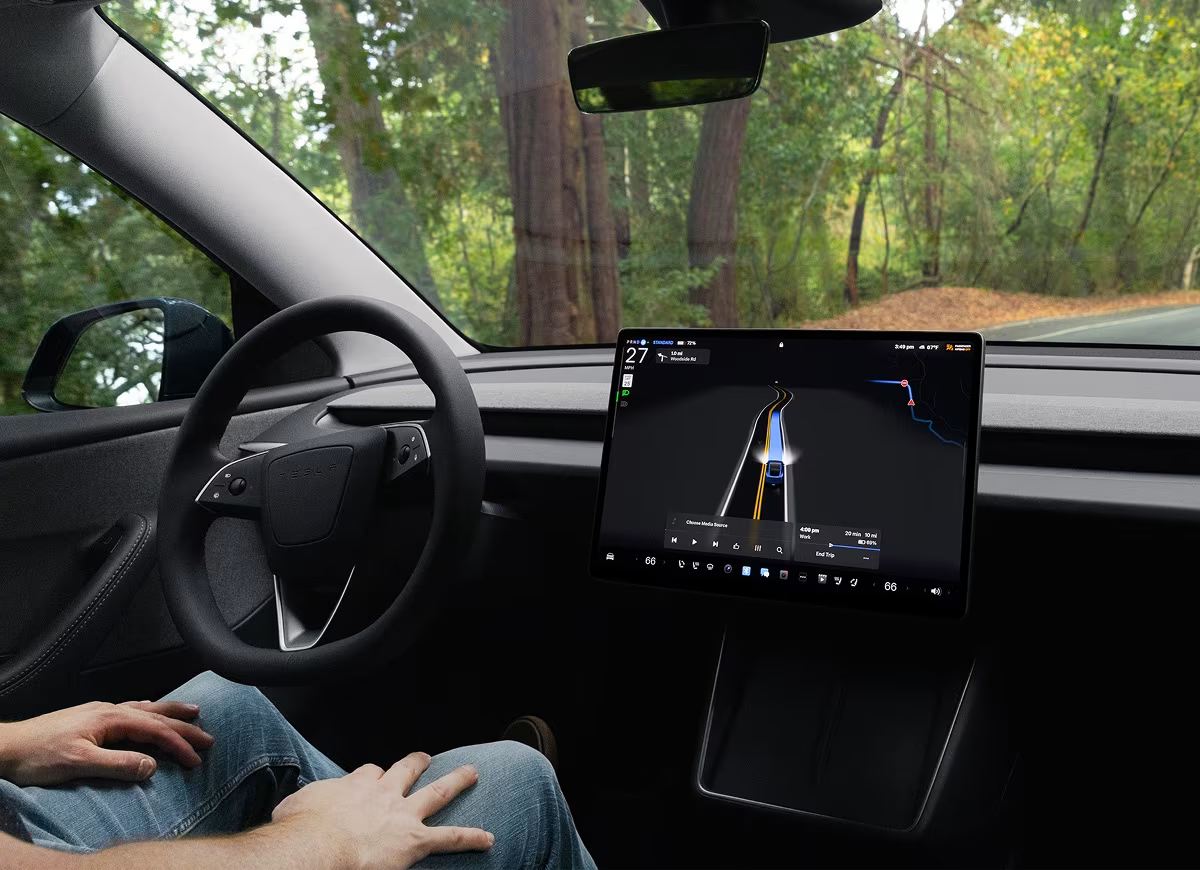
But the same fundamental frustrations are still there. I'm still fighting the aggression profile to get the car to drive the way I want. The lane-changing logic hasn't made the leap it needed to. If the behavior was actually good; clean merges, sensible timing, no cutting people off; removing the manual override might be forgivable. But we're not there yet, and taking away driver options before the system earns that trust is the wrong call.
Where HW4 does shine is on the open road; that's where community experience and my own driving align. Highway cruising is still where this system earns its keep, and HW4 does it with more confidence and precision than HW3 did. The on-screen visualization is also a genuine step up; the rendering of nearby objects, lane lines, and surrounding vehicles is noticeably richer and more detailed, especially when maneuvering into a parking space. The car builds a much more complete picture of its surroundings, and you can feel that confidence in how it positions itself. Those are the moments where HW4 actually feels like the hardware leap it was supposed to be.
Build Quality: Where the 2026 Actually Wins
This is where the new car earns its price tag without much argument.
Everything feels more solid. The materials at every touch point are better; softer where they should be soft, more substantial where your hands rest. Cabin noise is noticeably reduced; highway wind and road rumble that used to creep into the 2018 are much better managed here. It's a quieter, more composed place to spend time.
The missing steering stalk is the adjustment that takes the longest. Turn signals are now buttons on the steering wheel, as are the lights. It feels wrong for the first week. Then it doesn't. Muscle memory eventually takes over, and it becomes just another way to do the same thing; but be prepared for the awkward transition period where you're fumbling for a stalk that isn't there.
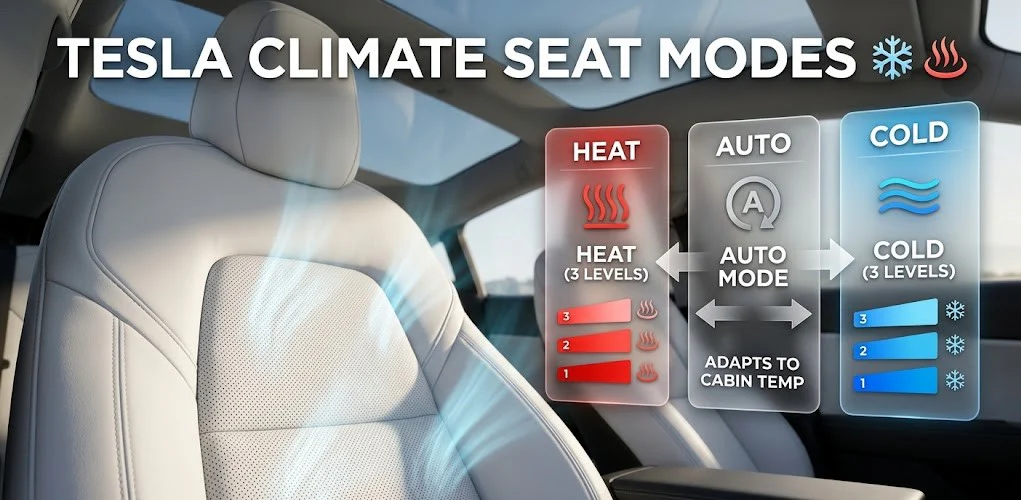
The ventilated seats deserve a specific callout. There's an auto mode that switches between cooling and heating based on temperature; a small thing that turned out to be surprisingly useful during a spring with constantly fluctuating weather. I caught myself switching the cooling on just for the comfort of it; even in a sweatshirt it was hard to say no to. The heated steering wheel falls into the same category. My other two cars don't have it, and I didn't realize I was missing anything until I had it. Now I know I was.
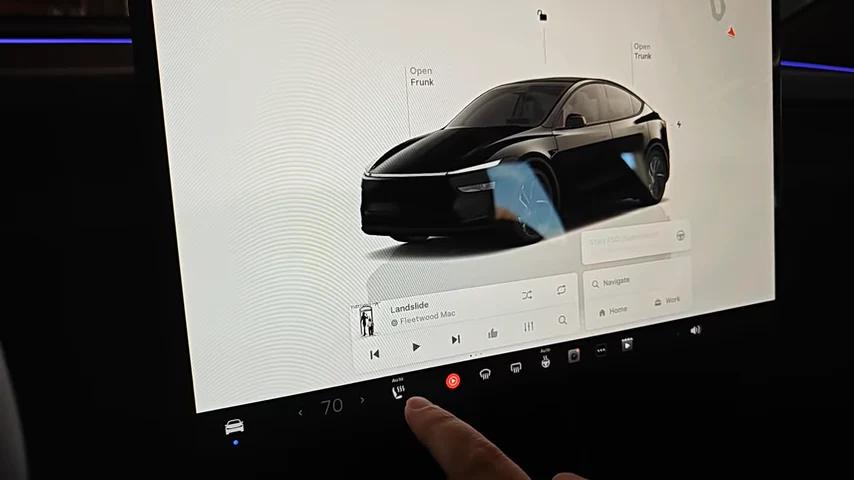
A few specific details stood out beyond the obvious. The glass is noticeably thicker; the kind of change you feel rather than see, where highway wind noise drops away and the outside world starts to feel genuinely separated from the cabin. The doors reflect the same leap; they close with a solid, planted thud instead of the hollow click the 2018 always had. It's one of those small things that quietly signals how much more seriously the build tolerances were taken this time around. The hydraulic trunk is a welcome addition too; no more manually wrestling the lid down or fishing for the handle on the way out. Would have been nice to see the same treatment on the frunk; I've seen custom hydraulic frunk conversions done on the 2018 that always looked like they should have been stock. But that's a wish list item, not a real complaint. The headlights are also a clear step up; noticeably brighter and better shaped than what the 2018 puts out, with more confidence at night and in the rain.
The rear passenger screen is a new addition the 2018 never had. Personally I didn't get much use out of it; my usual passenger is my dog, and he hasn't expressed strong opinions on in-car entertainment(This is a joke because I didn't have my dog in the loaner, per agreement). But for anyone who regularly carries actual humans in the back, it's a thoughtful touch that makes the interior feel more complete and premium.
Ride Quality: The 2026 Lost Something
This is the part that surprised me most, and not in a good way.
The 2018 Model 3 felt planted. It was communicative through corners, responsive to steering inputs, and rewarding when you pushed it a little harder than normal. There was a directness to it; you asked, the car answered.
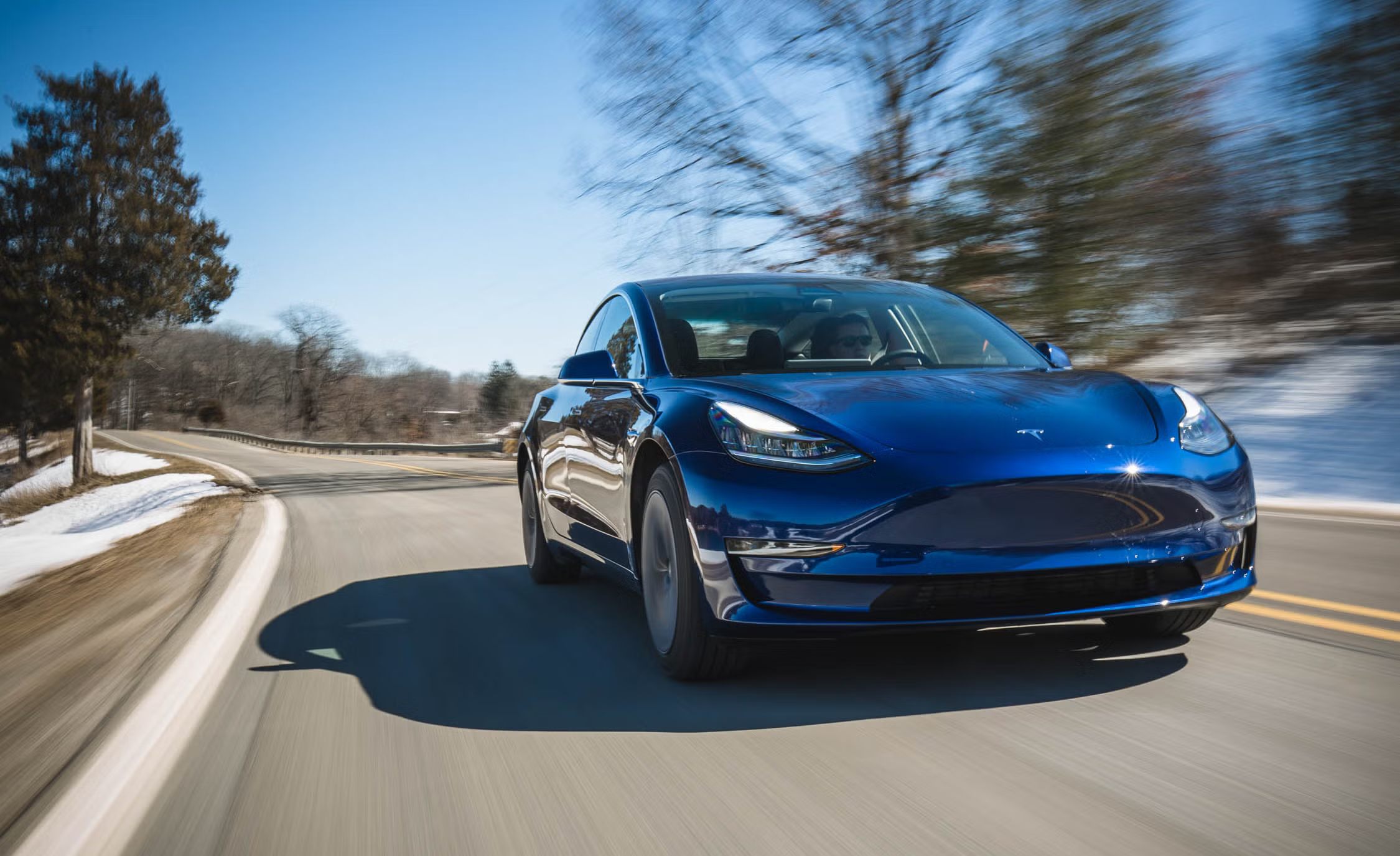
The 2026 feels lazy in comparison. Direction changes come with a slight reluctance. The front end doesn't bite the way it used to. Drive it spiritedly and the car leans into understeer rather than pivoting with you. It's not dangerous, but it's soft in a way the older car wasn't. This isn't just a feeling either; the Highland-generation suspension revisions are a known topic of discussion in the owner community, with plenty of drivers noting the same thing: the new car trades driver engagement for comfort, and if you enjoyed the sportier character of the original Model 3, you'll notice what's gone.
Whether that trade-off is worth it depends entirely on what you want from the car. For daily commuting and relaxed driving, the 2026 is excellent. For anyone who liked the older car's willingness to play, it's a step backward.
The Bottom Line
The 2026 Model 3 is a better-built car with a quieter cabin, improved materials, and a richer FSD visualization layer. Those are real improvements. But if you're upgrading specifically because you're frustrated with FSD on HW3; hoping the new hardware finally delivers on the full self-driving promise; temper your expectations. The core behavioral issues that have followed this system for years are still present. The aggression profile is still a negotiation. The lane-changing logic still isn't where it needs to be before Tesla should be restricting your ability to manage it.
Five years in, FSD remains a promising highway assistant that occasionally surprises you, wrapped around a set of quirks that have become very familiar. Hardware 4 didn't change that story. It just told it in a slightly nicer cabin.